Assess
Understand workloads, existing infrastructure and business constraints.

Design, deploy and operate OpenStack environments with clear architecture, practical automation and an operating model aligned to your workloads and infrastructure strategy.
Plan your OpenStack environment →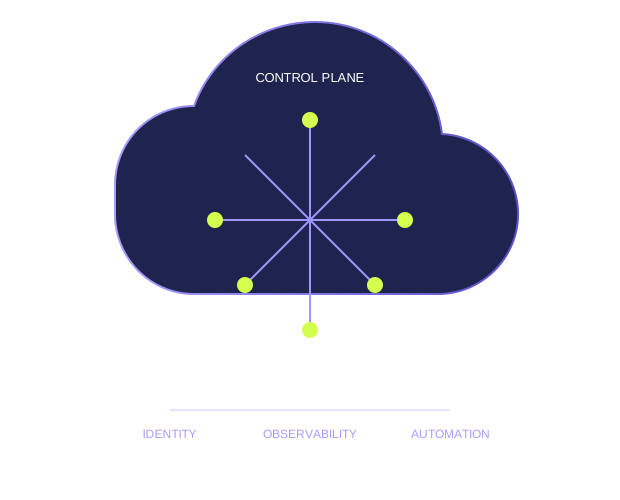 OpenStack Engineering
We engineer the architecture and operating practices needed to make OpenStack a dependable enterprise platform.
Cloud topology, control plane, capacity and availability.
Repeatable deployment, configuration and automation.
Workload assessment, onboarding and migration planning.
Monitoring, incident practices and lifecycle ownership.
Design decisions across compute, networking, storage and identity must work together.
We plan the full cloud lifecycle so that implementation decisions remain supportable after go-live.
Understand workloads, existing infrastructure and business constraints.
Define reference architecture, capacity and operating model.
Implement platform services with repeatable automation.
Validate workloads and execute migration in planned waves.
Monitor, maintain, upgrade and optimize the environment.
A cloud platform should be assessed against the operational needs of the workloads it will host.
Service resilience, failure domains and recovery procedures.
Identity, segmentation, patching and governance.
Capacity, workload placement and storage/network performance.
Upgrade planning, automation, documentation and support.
Start with the environment, workload profile and operating goals.
Yes. Work can begin with architecture review, operational assessment, troubleshooting or lifecycle improvement.
Migration planning and onboarding can be included, with waves based on workload dependencies and risk.
Operations, monitoring, maintenance, upgrades and optimization are part of the service scope where required.
Design the cloud as an integrated system.
A production private cloud depends on coordinated decisions across the control plane, compute, network, storage, identity and operations. The right design is shaped by workload requirements, scale, resilience and the skills available to operate it.
Plan API services, schedulers, message transport, databases and service availability.
Define hypervisor strategy, host aggregates, flavors, images and workload placement.
Design tenant networks, routing, address management, segmentation and external connectivity.
Select block, object and image storage patterns according to performance and durability needs.
Integrate authentication, projects, roles, quotas and access governance.
Instrument platform health and automate repeatable deployment and maintenance tasks.
Make the design fit the environment.
A discovery and architecture phase should resolve these topics before implementation choices become difficult to reverse.
What applications will run on the cloud, and what are their compute, storage and network characteristics?
Which services require redundancy, and what recovery objectives apply?
What is the expected initial footprint and how will capacity expand?
How will tenants, external networks, identity services and existing systems connect?
Who owns monitoring, patching, upgrades, incidents and platform changes?