Strategy & assessment
Technology selection, dependency mapping and adoption roadmaps.

Open technologies can create flexibility and control. Enterprise adoption, however, requires architecture, governance, security and lifecycle ownership.
Discuss your open-source strategy →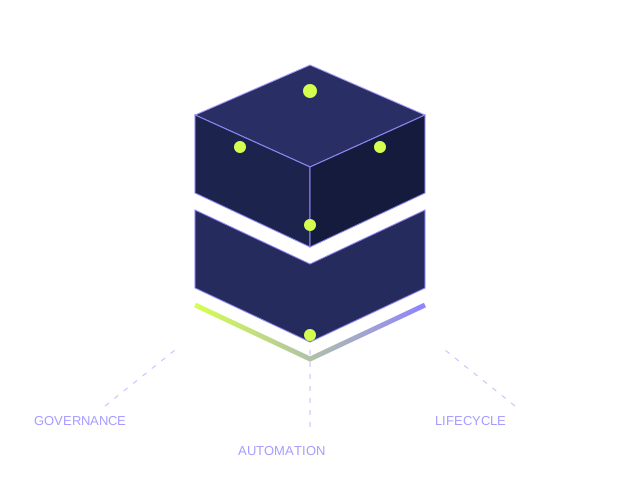 Open Source Engineering
We help organizations select, integrate and operate open-source platforms with a clear understanding of ownership and long-term support.
Evaluate platform fit, dependencies, licensing and support models.
Build reusable foundations and consistent developer experiences.
Define policy, security and operational accountability.
Plan patching, upgrades, compatibility and platform evolution.
From initial evaluation through production operations, we help close the gap between adoption and enterprise readiness.
Technology selection, dependency mapping and adoption roadmaps.
Install, configure and integrate open-source platforms.
Repeatable provisioning, configuration and deployment workflows.
Vulnerability response, access controls and policy enforcement.
Metrics, logs and traces connected to service operations.
Patching, upgrades, compatibility and support planning.
Open-source adoption succeeds when ownership is planned as carefully as implementation.
Assess business fit, licensing, dependencies and operating requirements.
Define reference architecture, integration and governance.
Configure, automate and validate the platform.
Establish runbooks, monitoring, security and support ownership.
Maintain, upgrade and improve the platform over time.
A sustainable open-source estate needs clear answers to operational questions.
Know the components, versions and dependencies in use.
Define vulnerability intake, prioritization and remediation.
Make upgrades and configuration changes repeatable and traceable.
Assign responsibility for support, maintenance and service health.
Explore where open technologies can improve flexibility, control and long-term platform strategy.
Start a conversation →Adoption needs ownership beyond the initial implementation.
Enterprise adoption requires clarity about components, maintainers, licenses, vulnerabilities, upgrade paths and support responsibilities. We help teams make these concerns part of platform engineering rather than an afterthought.
Maintain an understanding of the open-source components, versions and dependencies in use.
Evaluate license obligations and align usage with organizational policies and legal review.
Establish a process to assess advisories, prioritize exposure and coordinate remediation.
Plan maintenance windows, compatibility checks, rollback paths and supported versions.
Document who maintains each platform component and how issues are escalated.
Use the right building blocks for the right enterprise need.
Technology selection should follow requirements such as control, interoperability, skills, lifecycle, support and total operating effort.
Open technologies for compute, storage, networking and private cloud.
Reusable environments, delivery pipelines and internal platform capabilities.
Repeatable infrastructure provisioning and configuration management.
Open monitoring, log management and tracing capabilities.
Flexible data services, messaging and integration components.